Honoring Life's End: Understanding Cremation, Funeral Ceremonies, and Burial
Honoring Life's End: Understanding Cremation, Funeral Ceremonies, and Burial
Following the passing of a loved one, navigating the emotional landscape of grief is paramount. But alongside this emotional journey comes the practical matter of planning final arrangements. Two primary decisions often come to the forefront: cremation vs. burial, and whether to hold a funeral ceremony. While these may seem like straightforward choices, understanding the nuances of each option can empower you to make decisions that best reflect your wishes and honor the memory of the deceased.
Cremation vs. Burial: Disposing of the Physical Remains
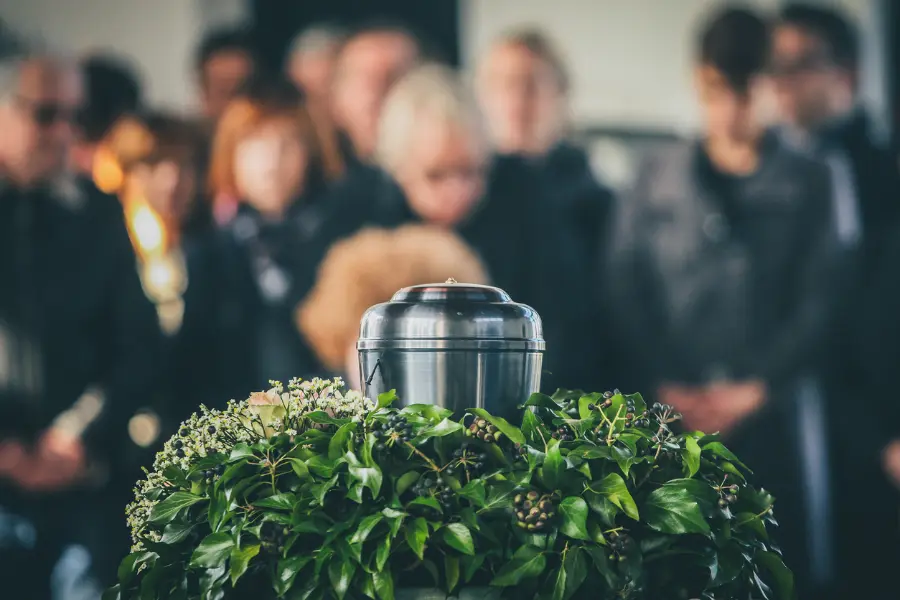
Cremation is the process of reducing a deceased person's body to bone fragments through intense heat. These fragments are then pulverized into a fine powder, known as cremains or ashes. Cremation offers several advantages:
- Cost-Effectiveness: Cremation typically costs less than traditional burial. This eliminates the need for a casket and cemetery plot, which can be significant expenses.
- Flexibility: Cremation allows for more flexibility in memorializing the deceased. The ashes can be kept in an urn, scattered in a meaningful location, or buried in a cemetery plot.
- Environmental Considerations: Cremation requires less land compared to burial and avoids the use of embalming fluids, which can contain harmful chemicals.
However, cremation also has some drawbacks:
- Finality: The process of cremation is irreversible. Some individuals may find comfort in knowing the body remains intact, which is not the case with cremation.
- Religious Restrictions: Certain religious traditions emphasize the importance of a full body burial. It's important to consider religious beliefs when making this decision.
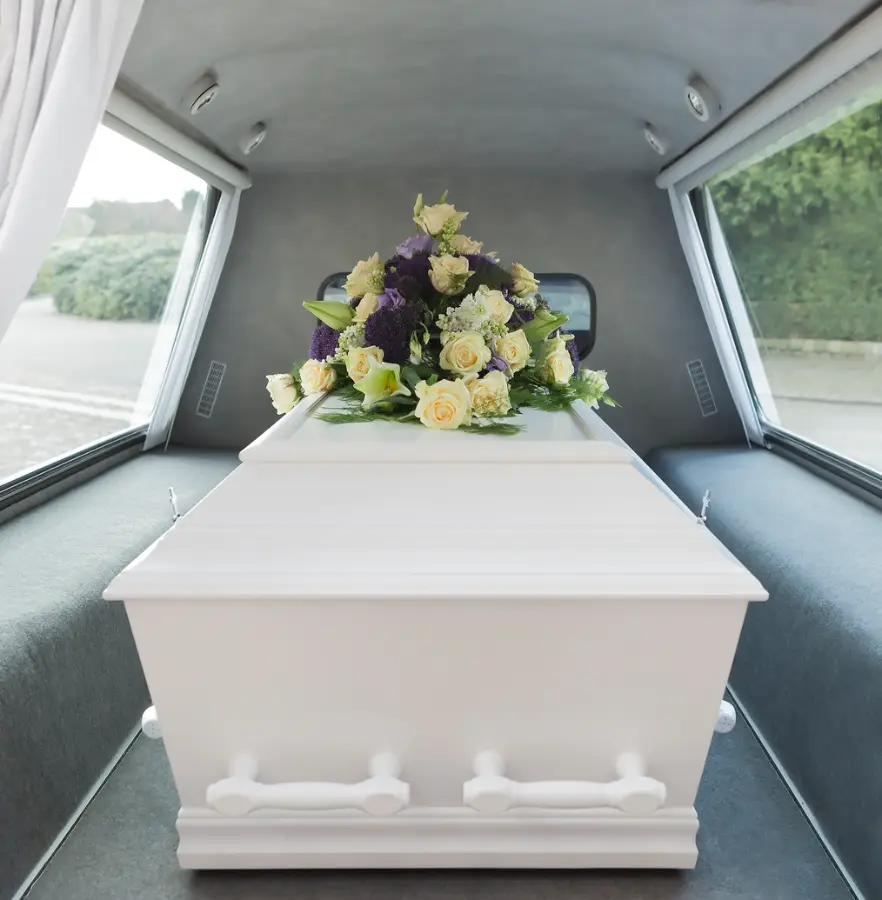
Burial is the traditional method of final disposition, where the deceased's body is placed in a casket or shroud and interred in a cemetery plot. Burial offers a sense of permanence and a specific place for visitation and remembrance.
Here are some things to consider when choosing between cremation and burial:
- The deceased's wishes: If the deceased had expressed a preference for cremation or burial, it's important to honor those wishes.
- Family traditions and religious beliefs: Certain religions or cultures may have specific requirements regarding final disposition.
- Financial considerations: The cost of cremation is generally lower than burial, though factors like cemetery plots and casket selection can affect the final price of both options.
- Family preferences: Ultimately, the decision of cremation or burial comes down to what feels most appropriate for the family in honoring their loved one.
Funeral Ceremony: A Celebration of Life
A funeral ceremony is a gathering of family and friends to pay respects to the deceased, share memories, and find solace in community. Funeral ceremonies can be religious or non-religious, formal or informal, and can be held before or after cremation. They offer a dedicated space for grieving and celebrating the life of the deceased.
Here are some elements commonly incorporated into funeral ceremonies:
- Eulogies: Speeches or readings that share stories and remembrances of the deceased.
- Music: Songs or hymns that reflect the deceased's personality or religious beliefs.
- Prayers or readings: Religious or spiritual passages that offer comfort and hope.
- Viewing or visitation: An opportunity for loved ones to say goodbye to the deceased in person (typically before cremation).
The format and content of a funeral ceremony are entirely customizable. Here are some ways to personalize a funeral:
- Theme: Consider a theme that reflects the deceased's hobbies, interests, or cultural background.
- Activities: Incorporate activities like memory boards, slideshows, or planting a tree in memory of the deceased.
- Location: Hold the ceremony in a place that was meaningful to the deceased, such as a favorite park, place of worship, or even their home.
Whether you choose cremation or burial, a funeral ceremony can be a valuable part of the grieving process. It allows family and friends to come together, share memories, and find comfort in their shared experience.
In Conclusion
There's no single "right" answer when it comes to cremation, burial, or funeral ceremonies. The most important thing is to make decisions that feel most appropriate for honoring the deceased and providing comfort for the grieving family. By understanding the differences between cremation and burial, as well as the significance of funeral ceremonies, you can make informed choices that reflect your values and traditions.