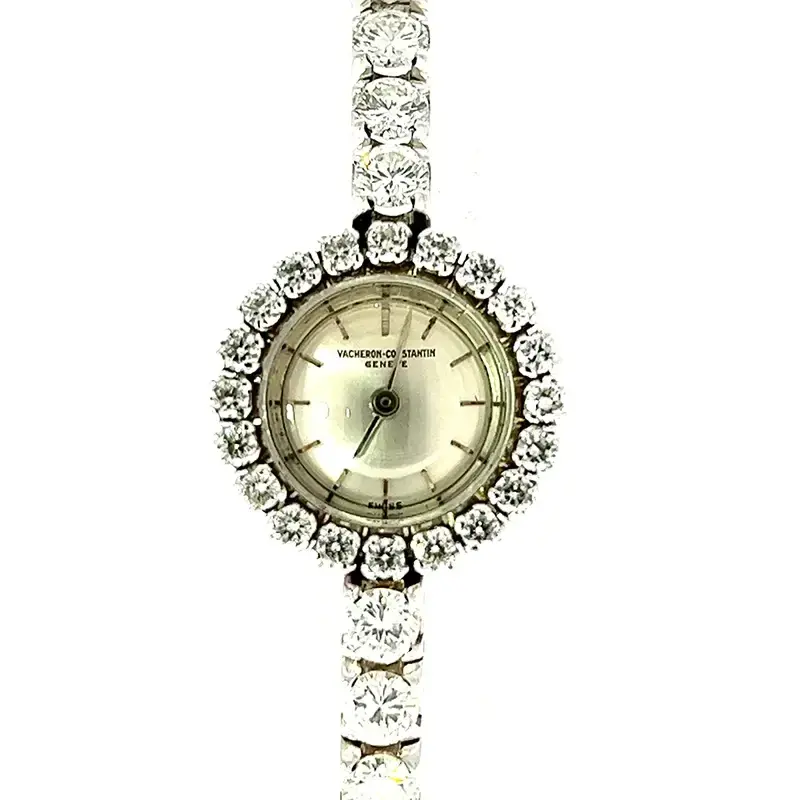
Sell a Diamond Ring: Where and How to Get the Best Offer
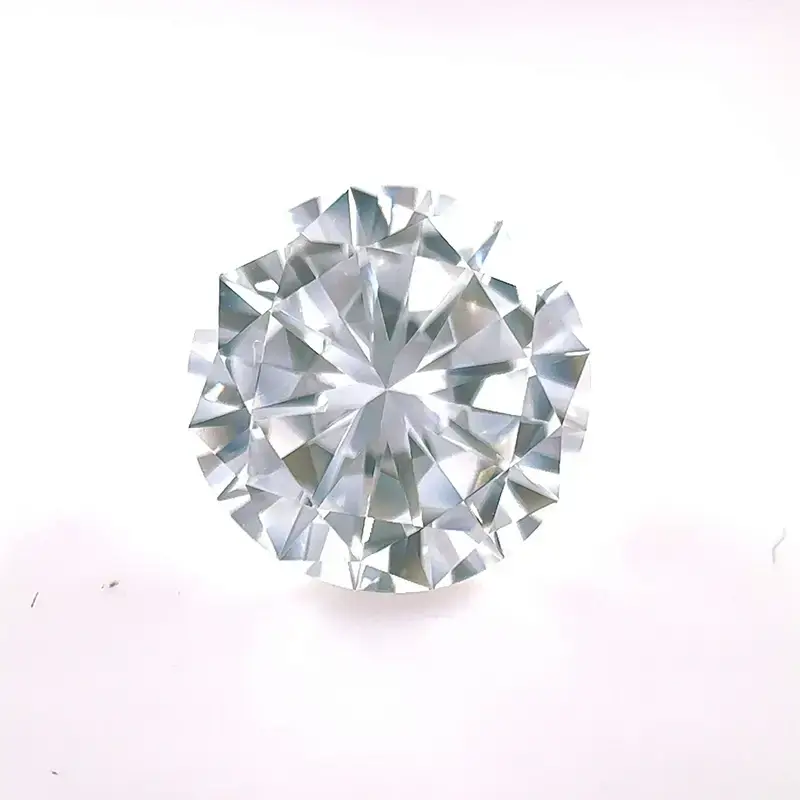
If you want to sell a diamond ring, you will quickly find that the answer to "where?" changes the offer you receive more than almost anything else. The same ring can be treated as a piece of scrap metal in one place and as a certified gemstone in another. This guide compares the main ways to sell, with their real advantages and drawbacks, so you can choose calmly. If your situation is a separation, we cover that angle separately in our article on selling an engagement ring after a divorce; here we focus on the sale itself.
First, understand what is being valued
A diamond ring is two things at once: a gemstone and a piece of metal. Buyers do not all look at the same one. Before you approach anyone, know which parts of your ring carry value:
- The diamond: carat weight, colour, clarity and cut. A stone with a recognised laboratory report is far easier to assess than one with no papers.
- Side stones: small diamonds or coloured stones add value, though less than a single large stone.
- The metal: gold or platinum, valued by weight and purity.
- The maker: a ring signed by a known jewellery house can be worth more than its materials.
Keep one general fact in mind: resale prices are always below what a ring cost in a shop, because a retail price includes the shop's margin. That is true everywhere, and no seller can change it. What you can influence is how well your ring is understood and how many serious buyers see it.
Option 1: the jeweller where you bought it, or another jeweller
- Pros: convenient, face to face, and some jewellers will assess a ring on the spot. If the ring is from a well-known house, they may be the natural buyer.
- Cons: a jeweller who buys back must resell with a margin, so offers are often cautious. Many do not buy back at all, or only offer a credit note for new purchases.
Option 2: gold buyers and "cash for gold" shops
- Pros: fast, with money on the spot in many cases.
- Cons: these buyers are set up to value metal. A gold buyer often values mainly the weight of the gold, and the diamond may be treated as a minor extra or even ignored. For a ring whose main value is a good stone, this is usually the weakest option.
Option 3: pawn shops and loans against the ring
- Pros: you keep ownership while you borrow, which suits a short-term cash need if you expect to redeem the ring.
- Cons: this is a loan, not a sale. The amount lent is a cautious fraction of the value, there is interest, and if you cannot repay, you lose the ring. It is not a way to get a fair price for a ring you have decided to part with.
Option 4: consignment
- Pros: a dealer displays and sells the ring for you, sometimes reaching a better price than a quick buyout.
- Cons: it can take months, you only get paid once it sells, the dealer keeps a share, and your ring sits in someone else's showcase in the meantime. Check the insurance and the terms in writing.
Option 5: classifieds and online marketplaces
- Pros: you set the asking price and deal with the buyer directly.
- Cons: you take on every risk yourself: time-wasters, haggling, fake payment confirmations, and meeting strangers with a valuable object. Buyers cannot easily trust an unverified ring, so serious ones tend to stay away. This route suits low-value jewellery better than a certified diamond.
Option 6: an online auction among professional buyers
- Pros: several specialised buyers compete for the same ring, which tends to work in your favour, and you never have to negotiate across a counter. It is done from home.
- Cons: it is not instant cash on the day, since there is a process, and the quality of the platform matters. Choose one that is transparent about how it works.
This is the model Clarity uses, and the steps are described below.
How to prepare before you sell a diamond ring
A little preparation makes any offer more reliable:
- Find the documents: the laboratory certificate (GIA, IGI or HRD), the original receipt, the box and any appraisal. Our guide to the GIA certificate explains how to read one. A recognised report makes a diamond easier to sell.
- Take clear photos: the ring from above and from the side, in daylight, plus the certificate and any engraving on the band.
- Do not clean it aggressively or have it altered: a gentle clean is fine, but do not re-polish or reset the stone before it is assessed.
- Note what you know: approximate carat weight, metal, and where and when it was bought.
How to compare offers fairly
- Ask what the offer is based on: the diamond, the metal, or both. If a buyer will not say, that tells you something.
- Get at least two or three opinions, and never accept the first offer under time pressure.
- Compare like with like: a lower offer paid today and a higher offer paid after weeks of waiting are not the same thing. Ask about timing and payment method.
- Read the conditions: fees, insurance during shipping, and what happens if you decline.
- Be wary of a verbal valuation with no explanation: a serious buyer can tell you how they reached their figure.
Selling a diamond ring with Clarity
Clarity is built for people who want to sell a diamond ring online without pressure. It is an online auction, and it works in a few steps:
- Fill in the form, which takes about two minutes, with the certificate or photos of your ring.
- A gemologist gives you an instant minimum auction price, free and with no obligation to sell.
- If you go ahead, more than 500 professional buyers bid, starting from that minimum price.
- You decide whether to accept the final offer.
- You are paid within 24 hours of accepting the final offer, by bank transfer.
The ring travels by secure, insured shipping, or you can drop it off at our office in Antwerp, our only office.
Request your minimum price
If you would like to know where your ring stands before deciding anything, request a minimum price through the form. It costs nothing and does not commit you to selling.
Inherited a diamond, a watch or jewellery?
Get its minimum auction price online, straight away. Free, with no obligation to sell.