



Clarity blog: diamonds, jewellery and inheritance
Navigating the Storm: Coping with the Loss of a Sibling

The death of a sibling or close friend is a seismic event, shattering the landscape of your life. It can feel like the ground beneath your feet has vanished, leaving you adrift in a sea of grief. This profound loss triggers a complex and deeply personal journey through a kaleidoscope of emotions – a journey with no set map or clear destination.
Here, we'll explore ways to navigate this turbulent time, offering tools and resources to help you cope with the immense pain and begin the process of healing.
The Rawness of Grief: Embracing Your Emotions
Grief is a messy, unpredictable experience. There's no right or wrong way to feel – sadness, anger, guilt, confusion, and even numbness are all valid responses. Don't attempt to suppress your emotions; bottling them up can hinder healing.
-
Acknowledge Your Feelings: Allow yourself to cry, scream, or simply sit in silence with your pain. Journaling can be a powerful tool for processing your emotions.
-
Embrace the Waves: Grief comes in waves. You may feel relatively okay one moment and then be swept away by a surge of sadness the next. Be patient with yourself and allow yourself to ride these emotional waves.
-
There's No Shame in Tears: Crying is a natural catharsis, a way for your body to release pent-up emotions. Don't be ashamed to let the tears flow.
Seeking Support: You're Not Alone in This
Grief can feel isolating, but remember, you're not alone in this storm. Surround yourself with a supportive network of loved ones who can provide a safe space for you to express your feelings without judgment.
-
Talk to Trusted Friends and Family: Sharing your pain with those who care about you can be incredibly therapeutic. Talking about your memories of your sibling or friend can also be a way to keep their memory alive.
-
Consider Therapy: A therapist can provide a safe, confidential space to explore your grief and develop healthy coping mechanisms.
-
Grief Support Groups: Connecting with others who understand your loss can be incredibly validating. Support groups allow you to share your experiences and find solace in knowing you're not alone.
Taking Care of Yourself: Honoring Your Needs
Grief can be physically and emotionally draining. During this time, it's crucial to prioritize self-care.
-
Prioritize Sleep: Grief can disrupt your sleep patterns. Establish a regular sleep schedule and practice relaxation techniques like deep breathing or meditation before bed.
-
Nourish Your Body: Make healthy food choices, even if you don't feel like eating. Your body needs the energy to navigate this emotional rollercoaster.
-
Move Your Body: Exercise releases endorphins, which have mood-boosting effects. Go for a walk, take a yoga class, do anything that gets your body moving.
-
Don't Be Afraid to Ask for Help: Whether it's asking a friend to cook dinner or needing help with household chores, don't hesitate to reach out for assistance.
Remembering with Love: Honoring Their Memory
While the pain of loss is real, there are beautiful ways to keep the memory of your loved one alive.
-
Create a Memory Box: Collect photos, letters, or meaningful objects that remind you of your sibling or friend.
-
Plant a Tree in Their Name: This act of creation becomes a symbol of life continuing and a reminder of their presence in your life.
-
Start a Scholarship Fund: If your loved one was passionate about education, consider setting up a scholarship fund in their honor.
-
Volunteer for a Cause They Cared About: Giving back in their name allows you to honor their memory and connect with their values.
Finding Meaning in the Loss
While the pain of loss may never truly disappear, over time, it can transform. Finding meaning in the loss can be a powerful step on your healing journey.
-
Reflect on Their Impact: Consider the positive influence your sibling or friend had on your life. How did they make you a better person?
-
Write a Letter: Even if it's just for yourself, write a letter to your loved one expressing your feelings and the lessons you learned from them.
-
Embrace Personal Growth: Sometimes, loss can be a catalyst for personal growth. Consider this an opportunity to explore new interests or rediscover parts of yourself that may have been neglected.
Be Patient with Yourself: Healing Takes Time
Grief is a marathon, not a sprint. There will be good days and bad days. Don't compare your journey to anyone else's. Be patient with
Honoring Life's End: Understanding Cremation, Funeral Ceremonies, and Burial

Following the passing of a loved one, navigating the emotional landscape of grief is paramount. But alongside this emotional journey comes the practical matter of planning final arrangements. Two primary decisions often come to the forefront: cremation vs. burial, and whether to hold a funeral ceremony. While these may seem like straightforward choices, understanding the nuances of each option can empower you to make decisions that best reflect your wishes and honor the memory of the deceased.
Cremation vs. Burial: Disposing of the Physical Remains
Cremation is the process of reducing a deceased person's body to bone fragments through intense heat. These fragments are then pulverized into a fine powder, known as cremains or ashes. Cremation offers several advantages:
- Cost-Effectiveness: Cremation typically costs less than traditional burial. This eliminates the need for a casket and cemetery plot, which can be significant expenses.
- Flexibility: Cremation allows for more flexibility in memorializing the deceased. The ashes can be kept in an urn, scattered in a meaningful location, or buried in a cemetery plot.
- Environmental Considerations: Cremation requires less land compared to burial and avoids the use of embalming fluids, which can contain harmful chemicals.
However, cremation also has some drawbacks:
- Finality: The process of cremation is irreversible. Some individuals may find comfort in knowing the body remains intact, which is not the case with cremation.
- Religious Restrictions: Certain religious traditions emphasize the importance of a full body burial. It's important to consider religious beliefs when making this decision.
Burial is the traditional method of final disposition, where the deceased's body is placed in a casket or shroud and interred in a cemetery plot. Burial offers a sense of permanence and a specific place for visitation and remembrance.
Here are some things to consider when choosing between cremation and burial:
- The deceased's wishes: If the deceased had expressed a preference for cremation or burial, it's important to honor those wishes.
- Family traditions and religious beliefs: Certain religions or cultures may have specific requirements regarding final disposition.
- Financial considerations: The cost of cremation is generally lower than burial, though factors like cemetery plots and casket selection can affect the final price of both options.
- Family preferences: Ultimately, the decision of cremation or burial comes down to what feels most appropriate for the family in honoring their loved one.
Funeral Ceremony: A Celebration of Life
A funeral ceremony is a gathering of family and friends to pay respects to the deceased, share memories, and find solace in community. Funeral ceremonies can be religious or non-religious, formal or informal, and can be held before or after cremation. They offer a dedicated space for grieving and celebrating the life of the deceased.
Here are some elements commonly incorporated into funeral ceremonies:
- Eulogies: Speeches or readings that share stories and remembrances of the deceased.
- Music: Songs or hymns that reflect the deceased's personality or religious beliefs.
- Prayers or readings: Religious or spiritual passages that offer comfort and hope.
- Viewing or visitation: An opportunity for loved ones to say goodbye to the deceased in person (typically before cremation).
The format and content of a funeral ceremony are entirely customizable. Here are some ways to personalize a funeral:
- Theme: Consider a theme that reflects the deceased's hobbies, interests, or cultural background.
- Activities: Incorporate activities like memory boards, slideshows, or planting a tree in memory of the deceased.
- Location: Hold the ceremony in a place that was meaningful to the deceased, such as a favorite park, place of worship, or even their home.
Whether you choose cremation or burial, a funeral ceremony can be a valuable part of the grieving process. It allows family and friends to come together, share memories, and find comfort in their shared experience.
In Conclusion
There's no single "right" answer when it comes to cremation, burial, or funeral ceremonies. The most important thing is to make decisions that feel most appropriate for honoring the deceased and providing comfort for the grieving family. By understanding the differences between cremation and burial, as well as the significance of funeral ceremonies, you can make informed choices that reflect your values and traditions.
Beyond Black: Reimagining the Final Ride with Luxury Hearses and the Parisian Corbicyclette

For centuries, the hearse, or corbillard in French, has served as a solemn symbol in funeral processions. Traditionally, these vehicles have been large, black carriages carrying the deceased to their final resting place. While black remains a popular choice for its somber connotation, the modern landscape of funeral transportation is evolving to offer more personalized and even luxurious options.
This article explores the changing face of hearses, delving into the world of luxury hearses and the unique Parisian innovation, the Corbicyclette.
Luxury Hearses: A Dignified Farewell
Gone are the days of a one-size-fits-all approach to funeral transportation. Luxury hearse services cater to those who desire a more elegant and personalized final ride. These high-end vehicles boast features that elevate the experience, offering families a sense of comfort and respect during a difficult time.
Premium Vehicles:
Luxury hearse companies often utilize top-of-the-line vehicles such as limousines or extended luxury sedans. Think Cadillac Escalades, Lincoln Continentals, or even Bentleys, all tastefully converted to accommodate a casket with ample space for mourners.
Interior Comfort:
The interiors of luxury hearses are meticulously designed for comfort and elegance. Plush carpeting, luxurious leather seating, and climate control ensure a dignified and serene environment for the grieving family. Some vehicles even feature amenities like mood lighting and sound systems.
Personalization Options:
Luxury hearse services understand the importance of personalization during funerals. Families can choose from a variety of exterior colors, beyond the traditional black. Some companies even offer custom paint jobs or vinyl wraps to reflect the personality of the deceased. Additionally, the interior can be decorated with flowers or other personal touches.
Benefits of Luxury Hearses:
- Enhanced Comfort: Provides a more comfortable and dignified experience for mourners during a difficult time.
- Personalized Touch: Allows families to create a final journey that reflects the deceased's personality and preferences.
- Increased Dignity: Elevates the overall ceremony and adds a touch of sophistication.
However, luxury hearse services do come at a premium price compared to traditional black hearses. The cost typically reflects the vehicle chosen, customization options, and additional services offered by the company.
The Parisian Corbicyclette: A Sustainable and Unique Choice
Paris, the City of Lights, is renowned for its elegance and innovation. It's no surprise then, that the concept of a bicycle hearse, or Corbicyclette, originated here. Developed by the funeral home Le Ciel & La Terre (The Sky and Earth), the Corbicyclette is the first-ever electric cargo bike specifically designed to transport a full-sized coffin.
Environmentally Friendly:
The Corbicyclette offers a sustainable alternative to traditional, gas-powered hearses. By opting for an electric-powered bike, families can significantly reduce the environmental impact of the funeral procession. This aligns with a growing trend of eco-friendly funeral options.
Unique and Personal:
The Corbicyclette provides a unique and personal way to honor the deceased. If the person loved cycling or was environmentally conscious, this option allows their final journey to reflect their values.
City-Friendly Navigation:
Paris is known for its charming but often narrow streets. The Corbicyclette's compact size makes it ideal for navigating these streets, ensuring a smooth and dignified procession even in the heart of the city.
Beyond the Corbicyclette:
While the Corbicyclette offers a revolutionary option in Paris, the concept of alternative hearses is gaining traction elsewhere too. Some funeral homes offer motorcycle hearse options or even horse-drawn carriages for a traditional, yet elegant touch.
Choosing the Right Hearse: A Personal Decision
Ultimately, the choice of hearse is a personal one.
Factors to Consider:
- Budget: Luxury hearses come at a premium cost compared to traditional options.
- Personal Preferences: Do you desire a traditional, dignified hearse, or a more personalized and unique option?
- Environmental Impact: Is an eco-friendly option important to you or the deceased?
Discussing Options:
Funeral homes typically offer a variety of hearse options to choose from. Don't hesitate to discuss your preferences and budget with a funeral director. They can guide you through the selection process and help you find the perfect vehicle to honor your loved one.
Conclusion:
The hearse is no longer solely a functional vehicle used for transporting the deceased. Today, it can be a personal statement, a reflection of the deceased's life,
A Guide to Funeral Planning

Paris, the City of Lights, evokes romance, culture, and a rich tapestry of life. Yet, amidst the beauty, planning for the future inevitably includes considering one's final arrangements. This guide will help you navigate the process of planning a funeral in Paris, ensuring your wishes are honored and offering a dignified farewell.
Understanding legalities and Timeframes:
French law mandates that a funeral must take place within six days of death (excluding Sundays and holidays) unless special circumstances arise. The first step involves obtaining a death certificate issued by a doctor and declaring the death at the local town hall ("mairie"). Here, you'll receive guidance on legalities and permits needed for burial or cremation.
Choosing a Funeral Home (Pompes Funèbres):
Paris boasts several reputable funeral homes ("pompes funèbres") offering a range of services. Consider factors like location, budget, and the services offered. Here's what to ask:
- Services Offered: Do they specialize in burials, cremations, or both? Do they assist with religious ceremonies or offer secular options?
- Multilingual Staff: If English is your preferred language, ensure communication is clear.
- Reputation and References: Seek recommendations from friends or family, or research online reviews.
Burial or Cremation:
Traditionally, France leans towards burials. However, cremation is becoming increasingly popular. Here's a breakdown of both options:
- Burial: Paris has several public cemeteries ("cimetières"), with varying fees depending on location and plot size. Existing family plots can be used.
- Cremation: Cremation requires a permit from the town hall. The ashes can be interred in a columbarium niche within a cemetery, scattered in a designated garden, or kept by the family.
Planning the Ceremony:
The ceremony is a chance to honor the deceased and provide closure for loved ones. Here are aspects to consider:
- Religious or Secular: Paris accommodates a range of religious denominations, with clergy readily available. A non-religious ceremony can be tailored to personal beliefs and preferences.
- Location: The ceremony can take place at the funeral home's chapel, a dedicated ceremonial hall within the cemetery, or a place of worship.
- Eulogy and Tributes: Sharing stories and memories of the deceased is a heartfelt way to personalize the ceremony.
- Music and Readings: Choose music that reflects the deceased's personality and cultural background. Readings from religious texts or poems can add a spiritual touch.
- Flowers and Decorations: Flowers can add beauty and personalization. Reflect your loved one's favorite colors or blooms.
Additional Considerations:
- Transportation: Funeral homes typically provide transport for the deceased from the place of death to the ceremony location and cemetery. You can discuss options such as limousines or hearses.
- Death Announcements: Obituaries can be placed in local newspapers or announced online.
- Reception: Following the ceremony, some families choose to host a reception to share memories and refreshments.
- Financial Considerations: Funeral costs in Paris can vary depending on chosen services and options. Discuss a transparent cost breakdown with the funeral home beforehand.
Cultural Considerations:
French funerals tend to be more formal than their American counterparts. Dark clothing is customary for attendees. While flowers are common, large displays are less frequent.
Pre-Planning Your Funeral:
Planning your funeral in advance can offer peace of mind to loved ones and ensure your wishes are respected. Funeral homes can help you create a pre-paid funeral plan, alleviating any financial burden on your family.
Resources:
- Funeral Homes (Pompes Funèbres): Search online or ask for recommendations.
- City Halls (Mairies): They provide necessary permits and death certificates.
- Cemeteries (Cimetières): Contact the cemetery administration for burial and plot information.
Conclusion:
Planning a funeral in Paris requires thoughtful consideration, but it doesn't have to be overwhelming. By understanding legalities, choosing a reputable funeral home, and outlining your wishes, you can ensure a dignified farewell that reflects your life and values. Remember, reputable funeral homes are experienced in guiding families through this sensitive process and can support you throughout the journey.
This guide offers a starting point, but it's important to personalize your funeral arrangements
Planning Your Legacy: Tips and Strategies for a Secure Inheritance

At 40, life is usually quite full - career, family, friends. But have you thought about what will happen later? Planning your succession might seem morbid, but it's above all an act of love and foresight towards those you love. In France, passing on your heritage is an important subject, and fortunately, there are many ways to prepare for it.
Here are some tips and strategies to help you plan your legacy with peace of mind:
1. Become Aware of Your Assets and Liabilities:
The first step is to make a complete assessment of your financial situation. List your real estate, bank accounts, investments, life insurance, and any other valuable assets. Don't forget to include your debts, such as mortgages, consumer loans, etc. A clear financial picture will allow you to make informed decisions regarding the distribution of your estate.
2. Familiarize Yourself with French Legal Tools:
France offers various legal tools to organize your inheritance. Here are some of the most common ones:
- The Will (Testament): A written document expressing your final wishes regarding the distribution of your assets. It's important to know that in France, " réserve héréditaire" (reserved portion) protects certain heirs (children, spouse) from complete disinheritance.
- Donation (Donation): Allows you to transfer an asset while you're alive, either as full ownership or usufruct (use and income from the asset). Donations may be subject to gift taxes.
- Life Insurance (Assurance-vie): Allows you to designate a beneficiary outside the inheritance process, which can be interesting for optimizing the transfer of capital.
- Family Pact (Pacte de famille): Allows for the organization of a family business transfer by favoring certain heirs.
3. Meet with a Notary (Notaire):
A notary is a legal professional specializing in legal advice and drafting deeds. They will guide you in choosing the legal tools best suited to your situation and will draft the necessary documents. Don't hesitate to make an appointment with a notary to discuss your inheritance plans.
4. Anticipate Family Matters:
Passing on your heritage can be a source of family tension. To avoid conflicts, it's important to talk openly with your loved ones. Explain your intentions and wishes for the future. If you have children, consider a fair distribution or explain the reasons for an unequal allocation. Clear and transparent communication is essential.
5. Integrate Your Digital Assets:
In the digital age, it's important to think about your digital assets (online accounts, photos, cryptocurrencies, etc.). Designate a trusted contact who can manage these assets after your passing. Some platforms allow you to nominate a "digital legatee."
6. Think About Passing on Your Values:
Inheritance isn't limited to material goods. It's also an opportunity to pass on your values, family stories, and memories. Create a personal journal, record videos, or use platforms dedicated to transmitting intangible heritage.
7. Regularly Update Your Plan:
Your personal and financial situation may evolve over time. It's important to review and update your inheritance plan regularly.
Planning your legacy is an act of responsibility and generosity. By taking care of it in advance and using the tools at your disposal, you make life easier for your loved ones and ensure them a more secure future.
Here are some additional resources to help you:
- Conseil Supérieur du Notariat (Higher Council of Notaries): https://www.csn.notaires.fr/en
- Chambre Nationale des Commissaires-Priseurs (National Chamber of Auctioneers): https://www.cncpi.fr/la_cncpi/commissions-comites/
- France Info - Succession et héritage (Inheritance and Succession): https://fr.wikipedia.org/wiki/Droit_des_successions_en_France
By taking the right steps today, you can ensure your legacy will be transmitted in a clear and fair manner, according to your wishes.
Safeguarding Your Legacy: How Technology Empowers Us to Preserve Memories and Wishes

In the quiet hum of our digital lives, amidst the symphony of social media posts and the ever-evolving cloud, lies a crucial question: how will our stories, our values, and our cherished memories be carried forward? Traditionally, legacy planning was a physical affair – a weathered will tucked away in a dusty drawer, a box of photographs gathering memories in the attic. But the digital age has irrevocably transformed the landscape, demanding a new approach to safeguarding what matters most.
The good news? Technology has become a powerful ally in crafting a secure and enduring legacy. It offers a comprehensive toolkit that transcends the limitations of paper and physical spaces, empowering us to share our stories, ensure our wishes are known, and bridge the gap between generations. Let's delve into the transformative role technology plays in legacy planning and preservation.
1. A Fortress for the Foundational: Securing Essential Documents
The cornerstone of any legacy plan is a solid foundation of essential documents. Wills, trusts, healthcare directives – these documents hold the power to dictate the course of our wishes after we're gone. Technology offers a secure and accessible solution for storing these vital pieces.
-
Cloud Storage: A Digital Vault: Gone are the days of fretting over misplaced documents. Cloud storage platforms provide a secure digital vault for your critical documents. Imagine a virtual safety deposit box, accessible from any device with an internet connection. Platforms like Google Drive, Dropbox, or Microsoft OneDrive offer robust security features, ensuring your information remains protected. Granting access to trusted individuals, such as executors or beneficiaries, allows them to locate these documents with ease when needed.
-
Password Management: The Keymaster's Gift: The digital age has ushered in an era of countless online accounts, financial institutions with intricate logins, and a growing universe of digital assets. Managing this complex web of passwords can be a daunting task. Thankfully, password management tools come to the rescue. These secure platforms, like LastPass or 1Password, act as a digital vault for your login credentials. Your loved ones won't be left scrambling to decipher cryptic notes or forgotten passwords. With designated access, they can seamlessly navigate the digital landscape you've created, ensuring a smooth transition.
2. Weaving the Tapestry of Our Lives: Sharing Your Story
Our legacy is more than just legalese; it's the tapestry woven from the threads of our experiences, relationships, and passions. Technology provides powerful tools to share this rich tapestry with future generations.
-
Digital Legacy Platforms: A Time Capsule for Memories: Imagine a virtual time capsule, a treasure trove filled with photographs, videos, letters, and even voice recordings. Digital legacy platforms like MyLifebook, Legacy Locker, or Leaving Matters allow you to curate this digital legacy. You can personalize it with stories, anecdotes, and messages for your loved ones, ensuring your voice and values resonate across time. The ability to designate access allows you to control who sees what and when, creating a space for cherished memories to be passed down.
-
Social Media Tributes: Honoring Your Online Presence: Social media platforms have become an undeniable part of our lives, serving as a window into our personalities, interests, and connections. Many platforms, like Facebook and Instagram, offer memorialization options. Consider appointing a trusted "legacy contact" who can manage your account after you're gone. This allows them to create a tribute page, share memories with loved ones, and ensure your online presence reflects the essence of who you were.
3. Charting the Digital Afterlife: Navigating Our Evolving Digital World
The digital realm extends far beyond social media profiles. With the rise of cryptocurrencies, online subscriptions, and a myriad of digital assets, our legacies are becoming increasingly intertwined with the virtual world. Technology can help us navigate this evolving landscape.
-
Digital Asset Management: A Roadmap for the Digital Estate: Just as we designate an executor for our physical assets, the digital realm necessitates a similar approach. Digital asset management involves appointing a trusted individual, a "digital executor," to oversee your online accounts, subscriptions, and even cryptocurrency holdings after you're gone. Platforms like Everplans or Coeus Legal offer tools to streamline this process, making it easier for your loved ones to manage your digital estate.
-
Data Deactivation Requests: Taking Control of the Deactivation Process: Many online services allow users to set up data deactivation requests upon death. This proactive approach ensures your accounts are handled appropriately after you're gone. Deactivation requests can be made for social media accounts, email addresses, and even online subscriptions.
Remember: The Pillars of a Secure and Enduring Legacy
As we leverage technology for legacy planning, three key pillars must be considered:
- Security is Paramount: When dealing with sensitive information,
Securing Your Golden Years: A Comprehensive Guide to End-of-Life Planning

As we journey through life, the finish line, though inevitable, often remains shrouded in uncertainty. But with some proactive planning, we can transform that uncertainty into a sense of security and peace. This guide delves into the practical steps you can take to secure your financial future, prepare for end-of-life decisions, and navigate the emotional aspects of aging.
Building a Financial Fortress:
-
Early Assessment: Don't wait until retirement looms to start planning. The earlier you assess your financial situation, the more time you have to make adjustments and build a secure nest egg. Consider factors like current income, existing debt, future expenses, and desired lifestyle in retirement.
-
Investing for Growth: Explore various investment options that align with your risk tolerance and time horizon. Diversification is key, spreading your investments across different asset classes like stocks, bonds, and real estate to mitigate risk and maximize potential returns.
-
Harnessing the Power of Compound Interest: Starting early allows compound interest to work its magic. Even small, consistent contributions can snowball into a substantial sum over time. Utilize tools like retirement calculators to project your future needs and adjust your savings plan accordingly.
-
Debt Management Strategy: High-interest debt can significantly erode your retirement savings. Develop a plan to pay down debt, focusing on high-interest credit card balances first. Consider debt consolidation strategies like balance transfers or personal loans with lower interest rates.
-
Exploring Income Streams: Social Security is a crucial income source for many retirees, but it might not be enough. Research additional income sources like private pensions, rental properties, or part-time work options you might enjoy in retirement.
Planning for the Inevitable:
-
Creating a Will and Trust: A will dictates the distribution of your assets after your passing. Consult an attorney to craft a will that reflects your specific wishes and beneficiaries. A trust can offer additional benefits, such as asset protection and streamlined distribution of assets, especially when dealing with complex estates.
-
Advance Directive: Your Voice Matters: An advance directive, often referred to as a living will, allows you to document your preferences for medical care in case you become incapacitated. This document can specify your wishes regarding resuscitation, pain management, and life support.
-
Confronting End-of-Life Expenses: While death is a natural part of life, its associated expenses can be a burden. Research and plan for potential costs like medical care, funeral arrangements, and estate taxes. Pre-planning funeral arrangements or purchasing life insurance can ease the financial strain on your loved ones.
-
Organize Your Affairs: Gather and organize key documents like your will, power of attorney, insurance policies, and investment records. Store them securely in a central location and inform trusted loved ones about their whereabouts. This reduces stress during a difficult time and ensures everyone involved has access to crucial information.
Beyond Finances: Practical Considerations:
-
Downsizing for Comfort and Savings: Consider downsizing your living space as you approach retirement. This could mean moving to a smaller home, an apartment, or exploring retirement communities that cater to specific needs and preferences. Downsizing often translates to lower housing costs, freeing up resources for other essential expenses.
-
Long-Term Care Planning: The need for long-term care, like assisted living or home healthcare services, becomes a possibility for many seniors. Research these options in advance and understand the associated costs. Exploring long-term care insurance can help offset the financial burden.
-
Power of Attorney: Designating a Trusted Agent: A power of attorney allows you to designate a trusted individual to make financial and legal decisions on your behalf if you become incapacitated. Choose someone you trust implicitly to act in your best interests.
Open Communication: Bridging the Gap
End-of-life planning isn't just about financial preparedness; it's about open communication with your family. Discussing your wishes and plans fosters understanding, minimizes confusion, and empowers your loved ones to act according to your desires.
-
Addressing Sensitive Topics: Openly discuss your end-of-life wishes with your family, including your preferences for medical care and funeral arrangements. Having these conversations early allows everyone involved to adjust to the realities of aging and helps manage emotional expectations.
-
Sharing Your Financial Plans: Involve your spouse or trusted family members in your financial planning process. This transparency promotes collaboration, ensures everyone understands your financial situation, and empowers them to make informed decisions in the future.
-
Empowering Your Loved Ones: Provide your designated power of attorney with access to all necessary financial documents and passwords. This fosters trust and eases the transition should they need to manage your affairs.
Writing a Simple Will in France: Cost, Examples, and Key Steps

Planning your estate is an important step to ensure your assets are distributed according to your wishes after your passing. In France, a simple will can be a suitable option for straightforward estates. Here's a guide to help you understand how to write one, the associated costs, and some inspiring examples.
What is a Holographic Will?
In France, the most common type of will for uncomplicated estates is the holographic will. This is a document written entirely by hand by the testator (the person writing the will), dated, and signed. Unlike other will types, it doesn't require a notary public.
Benefits of a Holographic Will
- Simplicity and Speed: It can be easily and quickly created without involving a notary.
- Minimal Cost: The cost is limited to paper and pen.
- Confidentiality: You retain control over the document and its content.
Drawbacks of a Holographic Will
- Strict Formalities: Failing to follow the formalities (handwritten, dated, and signed) can render the will invalid.
- Risk of Contestation: Without a notary, its validity can be more easily challenged.
- Safekeeping: Secure storage is crucial to prevent loss or destruction.
Cost of Writing a Holographic Will
As mentioned before, the cost of a holographic will is minimal. You only need paper and a pen.
Sample Clauses for a Holographic Will
Here are some examples of simple clauses you can include in your holographic will:
- Universal Heir Clause: "I bequeath all of my movable and immovable property to [name of heir]."
- Specific Bequest: "I bequeath my stamp collection to [name of beneficiary]."
- Guardian Appointment for Minor Children: "In the event of my death, I appoint [name of guardian] as the guardian of my minor children."
Important Note: These examples are for informational purposes only and don't constitute legal advice. It's always recommended to consult a lawyer specializing in inheritance law to ensure your will is drafted correctly and reflects your wishes.
Key Steps for Writing a Holographic Will
- Handwrite the Will: Use a black or blue pen and avoid any corrections or crossings-out.
- Date the Will: Write the full date (day, month, year) in words at the end of the document.
- Sign the Will: Use your usual signature.
- Store the Will Securely: Entrust it to a trusted person or keep it in a safe and accessible location for your loved ones to find after your passing.
Conclusion
A holographic will can be a simple and inexpensive solution for organizing your estate in France. However, following the formalities and taking measures to ensure its safekeeping and validity are crucial. For more complex situations, consider consulting a notary public or a lawyer specializing in inheritance law to guide you in drafting a will tailored to your needs.
When Life Takes a Turn: Wills vs. Trusts - Choosing the Right Path for Your Legacy

Estate planning can feel overwhelming. You've worked hard to build your assets, and you want to ensure they're distributed according to your wishes after you're gone. Two key tools can help achieve this: wills and trusts. While they share some similar goals, understanding their distinct differences is crucial for choosing the right path for your unique situation.
The Will: A Blueprint for Distribution
Think of a will as a detailed instruction manual for what happens to your assets after you die. It outlines who inherits what, names a guardian for minor children (if applicable), and appoints an executor to oversee the distribution process.
Here's a closer look at wills:
- Pros: Wills are generally simpler and less expensive to create than trusts. They can be easily modified throughout your life to reflect changes in your circumstances.
- Cons: Wills go through probate, a court process that can be time-consuming and public. Assets in your name alone must pass through probate, potentially incurring additional fees. Probate can also be challenged, leading to delays and legal battles. Finally, wills don't take effect until you die, so they offer no incapacity planning.
The Trust: A Flexible Fortress for Your Assets
A trust is a legal entity that holds your assets (property, investments, etc.) for the benefit of designated beneficiaries. You, the grantor, transfer ownership of the assets to the trust, naming a trustee to manage them according to your wishes.
Here's why trusts might be a good fit:
- Pros: Trusts can avoid probate entirely, saving time and money. Assets held within the trust pass directly to beneficiaries, bypassing the court system. Trusts also offer incapacity planning. You can designate a successor trustee to manage the assets if you become incapacitated. Finally, trusts allow for more flexibility in how assets are distributed. You can set up conditions for beneficiaries to receive their inheritance or spread it out over time. This can be helpful for young beneficiaries or those who might not manage money wisely.
- Cons: Trusts can be more expensive to establish and maintain than wills. They also require more legal expertise to set up properly.
Choosing Your Path: Wills vs. Trusts
So, which one do you need? Here's a breakdown to help you decide:
- Simple Estates: If your estate is relatively simple, with few assets and straightforward distribution wishes, a will might be sufficient.
- Complex Estates: For larger estates with multiple beneficiaries, complexities like businesses or out-of-state property, trusts offer greater control and flexibility.
- Incapacity Planning: If you're concerned about incapacity due to illness or injury, a trust can ensure your assets are managed effectively even if you can't make decisions for yourself.
- Privacy Concerns: If you'd prefer to keep your financial information private, a trust avoids probate, which is a public process.
Beyond Wills and Trusts
Remember, wills and trusts are just two pieces of the estate planning puzzle. Consider consulting with a qualified estate planning attorney to discuss your specific needs and develop a comprehensive plan that includes:
- Beneficiary Designations: You can designate beneficiaries directly on certain assets like retirement accounts or life insurance policies, bypassing probate.
- Powers of Attorney: This legal document appoints someone to handle your financial affairs if you're incapacitated.
- Living Wills/Advance Directives: This document outlines your wishes for medical care in case you're unable to make decisions for yourself.
Conclusion
Planning for the future isn't always easy, but taking the time to understand your options and create a solid estate plan can bring peace of mind. By considering the differences between wills and trusts, you can choose the right tools to ensure your legacy is handled according to your wishes.
What happens to social media accounts after death? A guide to remembering or letting go

Social media has become an undeniable part of our lives. We share photos, stories, and connect with loved ones – creating a digital footprint that reflects who we are. But what happens to these accounts when someone dies?
This is a surprisingly complex question. Social media platforms like Facebook, Instagram, and TikTok don't have a built-in system for detecting death. The onus falls on family members or loved ones to decide what happens next.
Here's a breakdown of what you should know:
Your Options After a Loved One's Passing
There are generally three options for social media accounts after death:
-
Memorialization: Most platforms offer a "memorialization" option. This freezes the account, preventing further logins or posts. The profile picture gets a commemorative border, and the word "Remembering" appears before the person's name. Friends can still share memories and leave comments, creating a lasting tribute.
-
Deactivation: You can choose to have the account deactivated entirely. This removes the profile from public view, but the data may still be stored by the social media company. This option is irreversible.
-
Deletion: This permanently removes the account and all its content – photos, videos, and posts. It's the most final option, so proceed with caution.
What Each Platform Offers
Facebook: Facebook's memorialization process is quite comprehensive. A designated representative can request memorialization and even choose a legacy contact to manage future posts. This contact can share a pinned post announcing the passing and manage tributes.
Instagram: Similar to Facebook, Instagram allows memorialization. However, legacy contacts cannot manage posts here.
TikTok: TikTok's policy is still evolving, but they currently offer account deactivation upon request from an authorized person. There's no memorialization option yet.
Before You Decide
There's no one-size-fits-all answer when it comes to social media after death. Here are some factors to consider before making a decision:
- The wishes of the deceased: Did they ever express what they'd like done with their accounts?
- The nature of the content: Were their posts mostly personal or did they have a public presence?
- Family comfort level: How would your family feel about seeing the account active, memorialized, or deleted?
Taking Action: What You'll Need
To request any changes, you'll need to contact the social media platform directly. Each platform has its own process, but you'll generally need:
- Proof of death: This could be a death certificate or obituary.
- Proof of your relationship: This might involve documents showing you're a family member or executor of the estate.
Planning for the Future
Consider including your social media wishes in your estate plan. You can designate someone you trust to handle your accounts after you're gone. Some platforms even allow you to choose a legacy contact directly within your account settings.
Conclusion
Social media can be a powerful tool for remembering loved ones after they're gone. By understanding the options available and considering your wishes beforehand, you can ensure your online presence reflects your legacy in the way you'd like.
10 Crucial Steps After a Loved One Passes Away in France
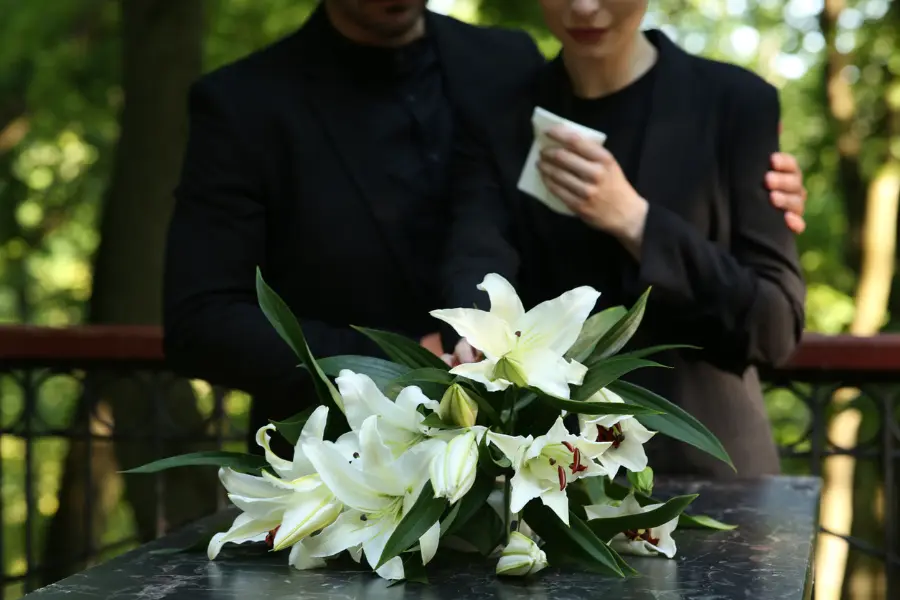
The loss of a loved one is a deeply emotional time. French law adds another layer of complexity when dealing with practicalities in the aftermath. Here's a guide to 10 essential steps to take after a loved one dies in France:
Inheritance According to French Law: When There's No Will

In France, if someone passes away without a will, they are considered to have died "intestate." This means French intestacy rules dictate how the estate will be divided, rather than the deceased's wishes. While the system ensures a fair distribution to close family, it may not reflect the deceased's true intentions This article explores the intricacies of inheritance according to French Law (FR Law) in the absence of a will.
Order of Inheritance: A Hierarchy of Beneficiaries
French law establishes a clear order of priority for inheriting the estate. Understanding this order is crucial to determining who receives what in the absence of a will.
1. The Spouse: A Guaranteed Share
The surviving spouse always inherits a minimum of 25% of the estate in full ownership. This share, known as the "quotité disponible" (disposable portion), represents the portion of the estate the deceased could freely distribute during their lifetime, including through a will. The remaining 75% is referred to as the " réserve héréditaire" (reserved portion) and is allocated to certain heirs with protected rights.
However, the spouse's actual inheritance can be higher depending on two key factors:
- Matrimonial Property Regime:
France recognizes two main matrimonial property regimes: community of property (communauté universelle or communauté réduite aux acquêts) and separate property (séparation de biens). Under community of property, assets acquired during the marriage are generally considered jointly owned. This means the surviving spouse already holds ownership rights to a portion of the estate. In such cases, the 25% minimum inheritance may be added to their existing share. Conversely, under separate property, each spouse retains individual ownership of assets acquired during the marriage. Here, the 25% minimum inheritance becomes a more significant portion for the surviving spouse. - Presence of Children: The existence and number of children from the deceased and the surviving spouse impact the spouse's inheritance.
- With no children, the spouse inherits the remaining 75% of the estate (reserved portion) in usufruct, giving them the right to use the income from the property but not sell it.
- With one child, the spouse inherits the 25% minimum (disposable portion) in full ownership and a usufruct on half of the remaining 75% (reserved portion).
- With two or more children, the spouse still inherits the 25% minimum (disposable portion) but the usufruct right applies only to the quarter of the remaining 75% (reserved portion).
2. Children: The Reserved Heirs
Children, including biological and adopted, are considered "forced heirs" under French law. This means they have a legal right to inherit a portion of the estate, known as the " réserve héréditaire" (reserved portion), which cannot be entirely disinherited through a will. The share each child receives depends on the total number of children:
- One child inherits 50% of the reserved portion.
- Two children inherit two-thirds (2/3) of the reserved portion, divided equally.
- Three or more children inherit the entire reserved portion, divided equally.
3. Parents: Stepping In When Spouses and Children Are Absent
If no spouse or children survive the deceased, the inheritance hierarchy moves on to the parents. Each parent inherits an equal share of the entire estate. However, if only one parent survives, they inherit the entire estate.
4. Siblings: Sharing the Legacy
In the absence of surviving parents, siblings inherit the estate in equal shares. If a sibling has predeceased the deceased but has children (the deceased's nieces and nephews), they inherit their parent's share equally, a principle known as "representation."
5. Other Relatives: Extending the Family Circle
With no spouse, children, parents, or siblings, more distant relatives like grandparents, uncles, aunts, and cousins may inherit according to a specific order outlined in the law. The share they receive progressively decreases as the degree of kinship becomes more distant.
Beyond the Basics: Complexities and Considerations
While the order of inheritance provides a framework, French inheritance law can be nuanced. Here are some additional aspects to consider:
- Predeceased Heirs and Representation: As mentioned earlier, when a child predeceases the deceased but has children of their own, these grandchildren (the deceased's nieces and nephews) inherit their parent's share through "representation." This principle ensures a fair distribution even when a child dies before their parent.
- Gifts Made During Lifetime: Gifts given by the deceased during their lifetime can impact the inheritance. Large gifts
Inheritance Tax in France: Your Guide to Handling an Inheritance

Find out all about inheritance tax in France, including who has to pay, tax rates, and optimal strategies for managing inherited assets such as jewelry. Get expert advice on how to manage your inheritance with clarity and peace of mind.
Diamond Valuation Guide

Find out how diamonds are valued in the resale market. At Clarity we value hundreds of diamonds every week. Each diamond is more than a billion years…
Selling used jewelry at original value

Buying new things gives us happiness, it’s a natural feeling. Especially when we buy, or are given to us, an exclusive and valuable object. The other side of the coin is that as soon as the object you have dreamed of so much is in your hands, it has just lost 40% of its value. This happens because as soon as something becomes our property, it loses its status again and therefore, automatically, part of its value. You must always keep this reality in mind when you decide to sell your jewelry. The retail price of a jewel is an indicator of its value when you buy it but is not reflected later when you want to resell it.
Which jewels to keep and which ones to sell?

In the jewelry box, in the boxes, as in the bottom of drawers, we almost all have the habit of “hiding” the jewels and things that remind us of someone – and also the person we used to be and that we no longer want to be...
How to recognize the valuable jewelry in your jewelry box

How to recognize the valuable jewelry in your jewelry box Let's start with a question: are you sure you really know the value of all the jewels you have…
Rare Chance to Own Lady Diana’s Swan Lake Necklace at Upcoming Auction

One of Lady Diana’s most iconic jewelry pieces, the “Swan Lake Suite” necklace, is set to go on auction on June 27th at the Pierre Hotel. The necklace, which is part of a set that also includes matching earrings and a bracelet, was famously worn by the late princess during a 1997 visit to the Royal Opera House.
What is the Diamond Grading Report – The Complete Guide

Diamond Grading Reports are documents drawn up by gemologists in the laboratories that grade these precious stones. Each report contains the diamond's characteristics, which include the 4Cs:…
How to Take Care of Your Jewelry

Tips for keeping jewelry protected from wear We all have jewelry or valuables that we care about. Some of them may be new and shiny, just bought for a..
A diamond is forever. A love story maybe not.

Did you drop him? Did he leave you?
It matters little. Whatever the story went, chances are you have an engagement ring in your hand and a question in your head: what should I do with this ring now?
What do the abbreviations TW (Total Weight) and CTW (Carat Total Weight) mean that are found in the certificate of a jewel

Do they have anything to do with the diamond's "carats"? The weight of a diamond is expressed in the "carat" unit of measurement, which is one of the most popular…
Emerald: characteristics and history of a stone with great potential

Origin of the emeralds Emeralds have been found everywhere but the most productive deposits are found in Colombia, Zambia, Canada, China, Australia, Egypt, Northern Europe and the United States Hardness...
Diamonds, their meaning: because we attribute value and charm to them

Conventionally, it is customary to associate the diamond with important events often linked to love life such as engagements, weddings, promises. What has become almost a habit has very ancient…



